

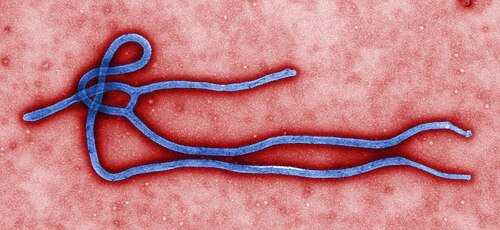
Ebola is one of the most feared viral diseases in modern history. It is often associated with extreme outbreaks, high fatality rates, and dramatic emergency responses from governments and global health organizations. Despite its reputation, many people still misunderstand how it spreads, where it comes from, and why it behaves the way it does.
The Ebola virus has shaped global health policies, influenced emergency preparedness, and triggered some of the most intense medical responses ever recorded in Africa and beyond. Below are some intriguing facts about Ebola that reveal just how unusual and dangerous this virus truly is.
1. Ebola Was First Identified in 1976
The Ebola virus was first discovered in 1976 during simultaneous outbreaks in what is now the Democratic Republic of Congo and Sudan.
Scientists were initially shocked by the severity of the illness, which caused rapid internal bleeding and high mortality rates. Since then, multiple strains of the virus have been identified, each with varying levels of lethality.
The discovery marked the beginning of decades of research into one of the world’s most dangerous pathogens.
2. The Virus Is Named After a River
Ebola takes its name from the Ebola River in the Democratic Republic of Congo, near where the first recorded outbreak occurred.
The naming was intended to avoid stigmatizing the nearby village of Yambuku, where the first outbreak was identified.
This practice of naming diseases after geographical features was later reconsidered in global health guidelines to avoid regional stigma.
3. Ebola Likely Originated in Bats

Although the exact origin is still studied, scientists believe fruit bats are the natural reservoir of the Ebola virus. These bats can carry the virus without showing symptoms of illness.
Transmission to humans is thought to occur when people come into contact with infected animals, such as bats or primates. This often happens in regions where bushmeat is consumed or where humans and wildlife interact closely.
Once the virus jumps to humans, it can spread rapidly through direct contact with bodily fluids.
4. Symptoms Appear Suddenly and Progress Rapidly
Ebola has one of the most aggressive symptom progressions among known viruses. After an incubation period of 2 to 21 days, symptoms can appear suddenly.
Early signs include fever, fatigue, muscle pain, and headaches. These quickly progress to vomiting, diarrhea, and in severe cases, internal and external bleeding.
The rapid progression of the disease is one reason Ebola outbreaks often cause panic and require immediate containment efforts.
5. The Virus Has a High Fatality Rate
Ebola is classified as one of the deadliest viruses in the world. Some outbreaks have recorded fatality rates as high as 90%, although improved treatment and early detection have reduced this in recent years.
Survival depends heavily on early medical intervention, hydration, and supportive care. Without treatment, the virus can overwhelm the body’s organs within days.
This extreme lethality is what makes Ebola a priority disease for global health monitoring organizations.
6. Healthcare Workers Are at High Risk
During Ebola outbreaks, healthcare workers are among the most vulnerable groups. This is due to their close contact with infected patients and exposure to bodily fluids.
In past outbreaks, a significant percentage of infections occurred within medical facilities, especially in early stages when protective equipment and protocols were limited.
Over time, improved training and stricter safety measures have significantly reduced infection rates among medical staff.
7. Ebola Can Survive on Surfaces for Hours or Days
The virus can remain active outside the human body for a limited period, depending on environmental conditions. On dry surfaces, it may survive for several hours, while in bodily fluids, it can last much longer.
This ability to persist makes proper disinfection critical in outbreak zones. Hospitals and treatment centers must follow strict sterilization protocols to prevent indirect transmission.
Even objects like clothing, bedding, and medical equipment can become potential sources of infection if not properly handled.
8. The 2014–2016 West Africa Outbreak Was the Largest in History
The most devastating Ebola outbreak occurred between 2014 and 2016 in West Africa, primarily affecting Guinea, Liberia, and Sierra Leone.
This outbreak resulted in more than 11,000 deaths and tens of thousands of infections. It also placed enormous pressure on global health systems and led to international emergency responses.
9. Ebola Survivors Can Develop Long-Term Health Issues
Surviving Ebola does not always mean a full recovery. Many survivors experience what is known as post-Ebola syndrome.
This condition can include fatigue, joint pain, vision problems, and psychological effects such as anxiety or depression. Some survivors also face social stigma due to fear and misunderstanding of the disease.
However, survivors also develop antibodies that may provide some level of immunity against future infections.
10. Traditional Burial Practices Contributed to Spread
In some Ebola outbreaks, traditional burial customs played a significant role in transmission. Washing and touching the body of a deceased person can expose individuals to high concentrations of the virus.
Public health officials have worked with communities to adapt safer burial practices that still respect cultural traditions while reducing risk.
These efforts have been crucial in slowing down outbreaks in affected regions.
11. Ebola Has Never Become a Global Pandemic
Despite its severity, Ebola has never caused a worldwide pandemic. This is largely due to its mode of transmission, which requires direct contact with infected fluids.
Unlike airborne viruses, Ebola does not spread easily in crowded public spaces such as airports or cities unless there is direct exposure.
Rapid containment strategies, contact tracing, and isolation have also helped prevent global spread.