

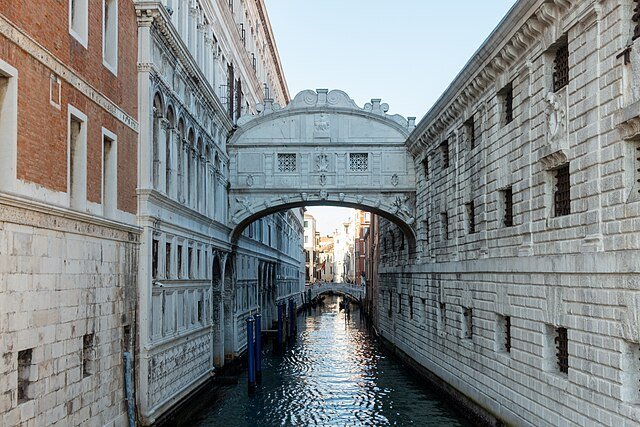
The concept of a floating city is fascinating for many reasons. For centuries, humans have made significant strides in creating objects that can float on water while carrying cargo and passengers, as is evident in boats and cruises. However, history was made when people created floating cities. As the name implies, these are cities or towns built on water bodies such as lakes and oceans. This futuristic concept unlocks a myriad of possibilities. To anyone who is always fascinated by floating cities, here are the top 7 destinations worth placing on your bucket list.
1. Venice in Italy

Venice is perhaps the most famous floating city in the world. Built over 100 islands and marshlands, this floating city is only 3m above sea level, explaining why flooding is rampant during rainy seasons. This has led to some experts claiming that the floating city of Venice may disappear in about 20 years.
Transportation in Venice is strictly via water. As such, water taxis ferry tourists and residents to various destinations, such as Saint Mark’s Basilica. As for the infrastructure, it is built on wooden piles that are dug into the lagoon. Venice has grown to become a maritime power throughout history under various empires.
2. Wuzhen Water Town in China

As it turns out, the floating city concept isn’t relatively new, as is evident in the water town of Wuzhen. This town, believed to have been built during the 1300s, is located along the banks of the Grand Canal, which evokes a floating feeling amongst residents and tourists. To date, it still retains structures such as buildings and bridges that were built during the Ming Dynasty.
This rich history, combined with the floating town concept, makes Wuzhen one of China’s top 10 tourist destinations. Most of the structures in Wuzhen overlook the waters, with some parts extending past it. Being a floating city, the locals lead a water-based lifestyle and use boats as their primary method of transportation.
3. Inle Lake in Myanmar

Occupied by the Intha people, Inle Lake is the true definition of a floating city. Within this city, there are wooden huts built on bamboo stilts that rise above the water. The people of Inle Lake have also constructed structures above the water where they practice agriculture. This is where most of their produce comes from.
As is the case with most floating cities, movement is done by boat. However, there is thick vegetation growing in the waters of Inle Lake. So, to navigate quickly, the locals must stand on their boats and firmly grip the paddles. For tourists, this floating city offers a remarkable experience. The views are mind-blowing, and the cuisine will satisfy your cravings.
4. Giethoorn in Netherlands

Because it shares a concept similar to Venice, Giethoorn in the Netherlands has been nicknamed Little Venice, with others calling it the Venice of the North. However, Giethoorn is a floating utopia in its own right. Canals serve as the main routes for transportation and are used by boats to ferry people from one point to another.
Within the village, there are wooden bridges that connect architecture. Besides its remarkable city design, Giethoorn offers a serene ambiance. Most of the infrastructure comprises of 18th and 19th-century farmhouses. This floating city dates back to 1230 and was built by a group of Mediterranean fugitives.
5. The Floating Markets of Bangkok

There are six floating markets in Bangkok, so instead of mentioning one, we have compiled all of them. One of these markets, the Damnoen Saduak, has been featured in the 1974 James Bond film. Unlike most cities listed above, the floating markets of Bangkok offer an exciting perspective. There are tens of canals, all of which traverse through markets selling fruits, vegetables, and different types of foods. Unfortunately, these floating markets get pretty crowded in the morning and evening. So, the best time for tourists is during the day.
6. Kampong Ayer in Brunei Darussalam

In one of the least famous countries in the world lies the largest floating village – Kampong Ayer. Spanning 10 square kilometers, Kampong Ayer is built on the Brunei River. It’s not just a village; Kampong Ayer is home to mosques, schools, hotels, and even a police station.
The problem with such a vast population is that Kampong Ayer experiences severe pollution from sewages and rubbish being thrown into the rivers. Kampong Ayer is sometimes called the Venice of the East.
7. Oceanix Busan in the Republic of Korea
Launched in 2022, Oceanix Busan is projected to be the first self-sustainable floating city. This project is the work of Oceanix, a New York-based tech company, and the Busan Metropolitan City. The neighborhood is expected to occupy a space of 6.3 hectares and accommodate around 12,000 people.
There will be bridges connecting the neighborhood, and water travel is expected to be the main means of transportation. Unlike most floating cities on this list, Oceanix Busan will recycle resources while replenishing its water, making it 100% self-sustainable. Experts project that Oceanix Busan will be partly completed by 2027.