

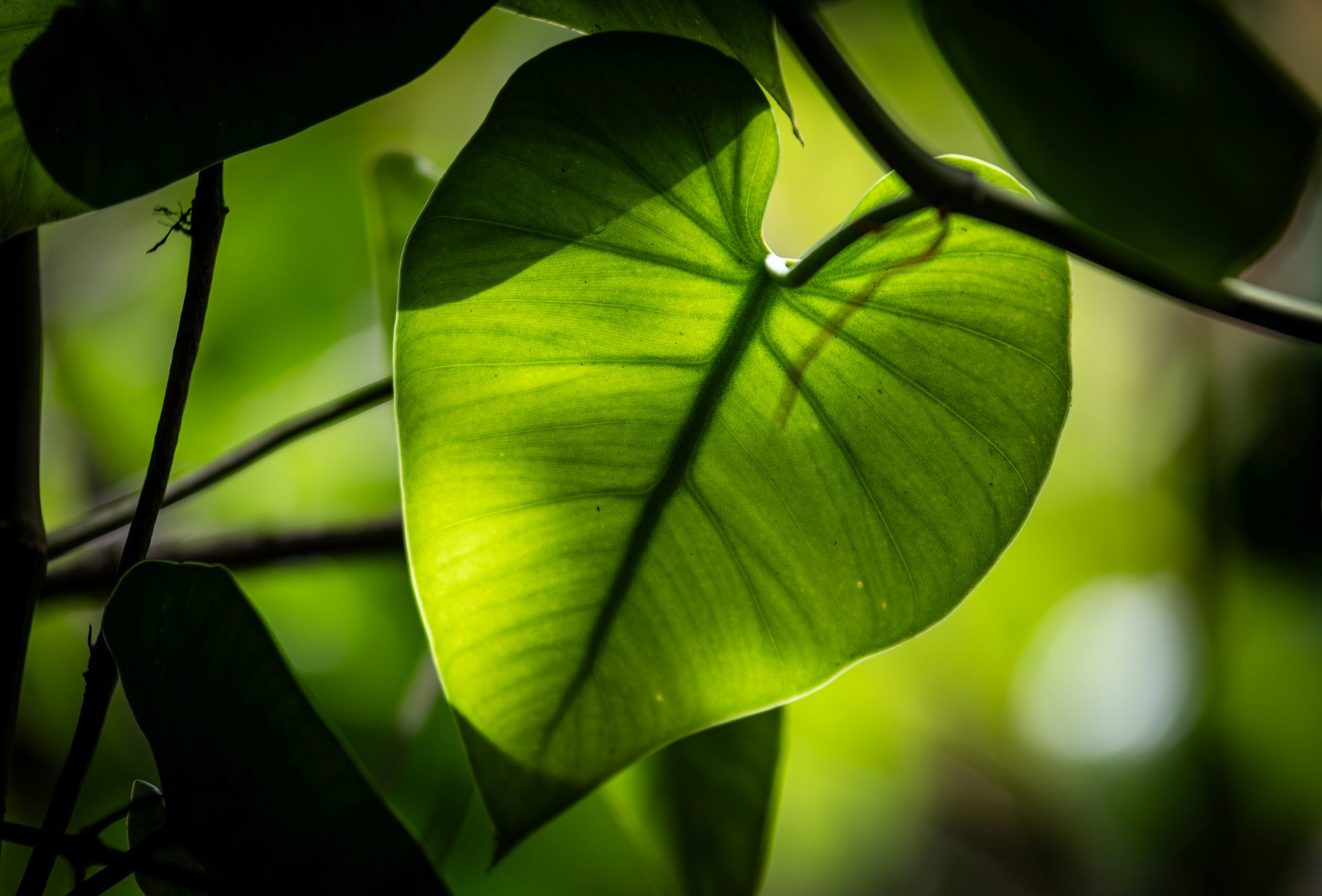
Plants do not mean much to modern human beings unless they are a favorite vegetable or are being grown in a garden. Most people walk past forests without giving a hoot about what these plants do for us. However, did you know that the human race would be non-existent without plants? Not just us but animals and other living organisms, too? Through a process called photosynthesis, plants almost singlehandedly sustain our ecosystem.
What is Photosynthesis?

Photosynthesis is the process where organisms with chlorophyll absorb sunlight to create their own food and release oxygen and nitrogen into the atmosphere. While this mainly occurs in plants with leaves, it can also happen in the stems of some small plants. During this process, plants also suck carbon dioxide from the atmosphere via the pores on their leaves. Photosynthesis is a key ingredient in the food-making process.
Why Photosynthesis Is Important
Here are some of the ways photosynthesis is vital to fueling life on Earth:
The Byproducts of Photosynthesis Are Critical for Humans and Animals
From a plant’s perspective, once it has created its food, the byproducts, such as oxygen have no value. However, these two are critical in fueling life here on Earth. To begin with, oxygen is used by organisms such as humans and animals for breathing.
On the other hand, humans and animals release carbon dioxide when they breathe out, which is re-used by plants. This creates a symbiotic relationship. Also, when plants absorb carbon dioxide from the air, they regulate Earth’s temperatures while keeping greenhouse gases in check.
It’s Important for Food Chains to Exist
When plants make their own food through photosynthesis, they can grow and sustain themselves. Additionally, animals, such as herbivores, feed directly on plants and convert them into energy. Next on the food chain are omnivores, like human beings who eat both plants and animals. The described food chain would not exist if plants did not synthesize food.
Besides offering food and oxygen to organisms on Earth, photosynthesis creates habitats for our ecosystem. Animals and other organisms live in forests. Humans rely on plants to process non-food items such as lumber for construction, paper, and much more.
An excellent way to make people appreciate photosynthesis is by having them compare our sister planets, Mars and Venus. After the Big Bang, these three planets were formed using the same heating and cooling mechanism. However, the composition of gasses on these three planets is different.
Take Mars, for example, has 95% carbon dioxide, 3% nitrogen, and 0.13% oxygen. Such environments make it impossible for human life to exist on these sister planets. However, according to scientists such as Professor Gregory Shmidt, photosynthesis made Earth habitable by smuggling carbon from the atmosphere and sending it to the crust. This happened over billions of years.
Schmidt argues that Earth’s atmosphere was no different than Mars. However, when chlorophyll-producing bacteria started synthesizing food and releasing oxygen, an oxidation evolution occurred and started fueling new life. Land plants were born, which ushered in animal life.
What Would Happen If Photosynthesis Failed

Have you ever wondered what would happen if there was no photosynthesis? Would life on Earth come to an end? Absolutely! However, it wouldn’t happen overnight.
The first casualty when photosynthesis stops working would be plants. Most of them would die within days because, without food, they can’t survive. Bigger plants, such as trees, would survive for a few weeks because they store more food.
When all plants die, herbivores will follow. Omnivores would be last on this list. Food isn’t the only thing that would become scarce; oxygen would, too. As the levels of oxygen decrease, humans and other living organisms would suffocate to death.
What Would It Take for Photosynthesis to Stop?
For photosynthesis to stop, that would mean the sun would have disappeared. On its own, this would bring lots of other problems. For instance, the temperatures would drop drastically and very few organisms would survive. Without the sun’s protection, cosmic radiation would wipe out the entire planet.
As much as modern science may chip in to create artificial photosynthesis in controlled environments, many people would lose their lives, and those left wouldn’t lead normal lives because Earth would be devoid of gaseous oxygen. However, this is theoretical, and the odds of such a thing happening are minimal.
The Key Takeaway
Now that you know photosynthesis is the driving power behind life on Earth, there are a few lifestyle choices worth considering. People should embrace the habit of growing more plants and taking care of existing ones.
It’s also crucial for this species to avoid practices that will pollute the soil and air. Because these two play a key role in photosynthesis. So far, it’s safe to say that photosynthesis is the most important process on Earth. If it were not for photosynthesis, there wouldn’t be enough oxygen to support life.