

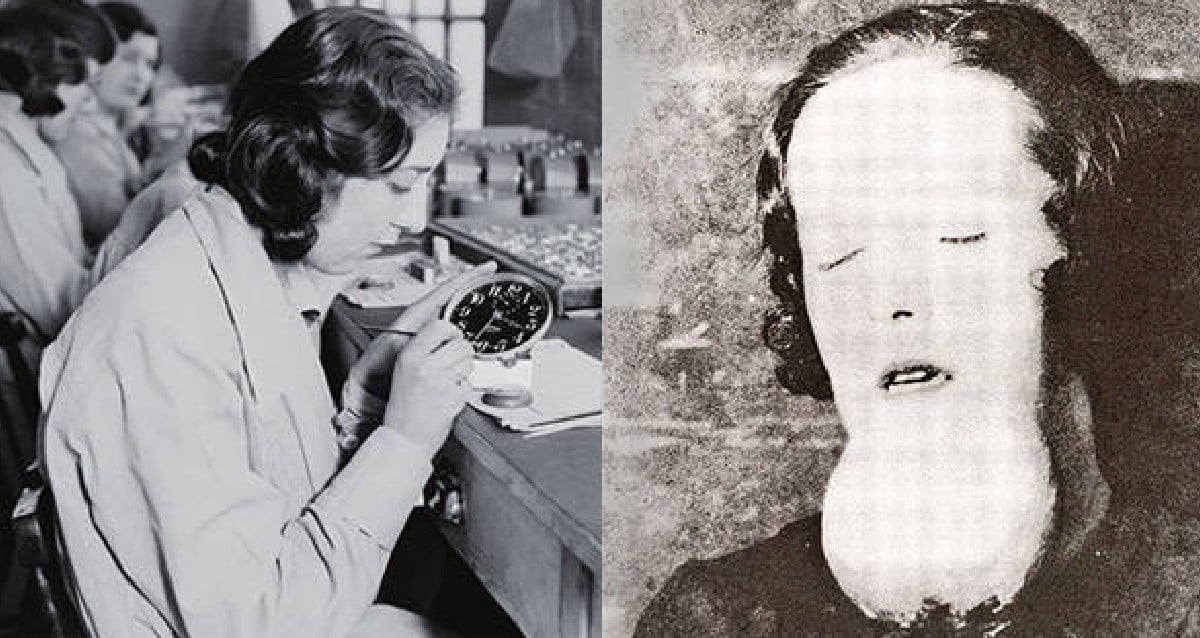
Assured that radium was safe, Radium Girls were encouraged to lick the points of their paintbrushes to ensure a pointy tip — and many fell ill or died in horrifying fashion.
During World War I, scores of American women on the homefront joined the workforce for the first time. Those who landed a job painting objects like clock dials with glow-in-the-dark radium counted themselves especially lucky, as the pay was fantastic and the work was light. But many of these so-called “Radium Girls” met a terrible fate.
Working in factories in New Jersey, Illinois, Connecticut, and elsewhere, Radium Girls earned roughly three times as much as they would at other jobs, since glow-in-the-dark instruments could be used by the military during the war.
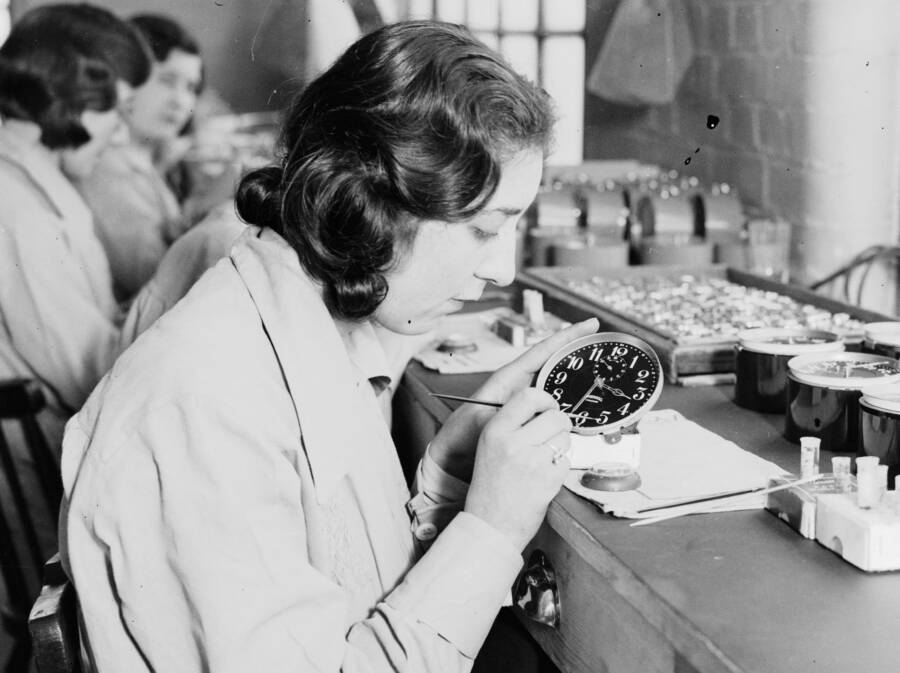
Wikimedia Commons“Radium Girls” painting alarm clock faces in January 1932.
They used paint enhanced with radium, an element which had been discovered in 1898. It was heralded as a cure-all miracle drug, as well as a substance that could make things glow in the dark, and the factory workers habitually got radium on their hands, hair, and clothing.
The Radium Girls were assured that the paint was safe to handle. Indeed, they were even encouraged to lick their paintbrushes to give them a sharp tip as they worked on items like watch dials. But radium was highly radioactive. And before long, the Radium Girls started getting sick.
This is the sad story of the Radium Girls, from the terrible side effects they suffered, to how they changed workplace safety regulations forever.
The New Technology That Paved The Way For Radium Girls
The story of the Radium Girls begins with radium itself, which was identified by Pierre and Marie Curie in 1898 and successfully isolated a few years later. The couple knew it was dangerous — they both suffered burns from handling radium and felt frequently exhausted from radiation sickness. But as the Nobel Foundation notes, they also found that radium could destroy sick cells, which made it a promising cure for illnesses like cancer.
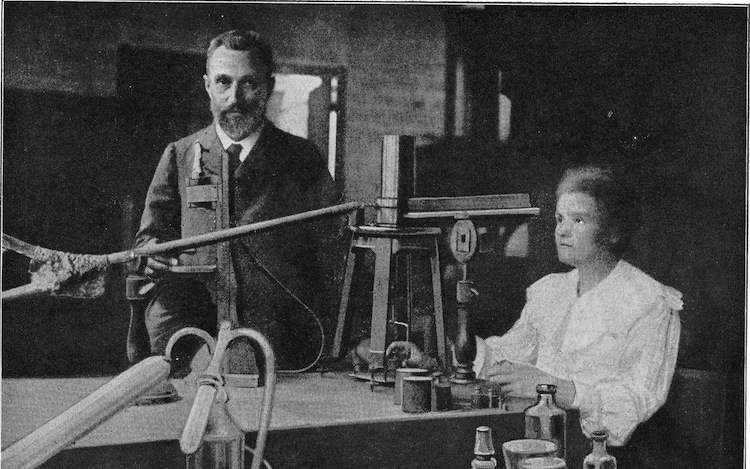
Getty ImagesPierre and Marie Curie in 1905.
Indeed, radium was soon seen as an invention that could cure anything and everything. It was suggested as a remedy for ailments ranging from blindness and hysteria to acne and the common cold. Before long, this “miracle drug” was also put in tonic water, chocolate, toothpaste, and cosmetics. Radium even found its way to bread and beer.
What’s more, radium could make objects glow in the dark. Companies began selling nightlights, clocks, and watches made with radium-paint, which would stay visible all night long. It seemed like a scientific miracle.
But radium was dangerous. It was radioactive, and sustained contact with it could be fatal.
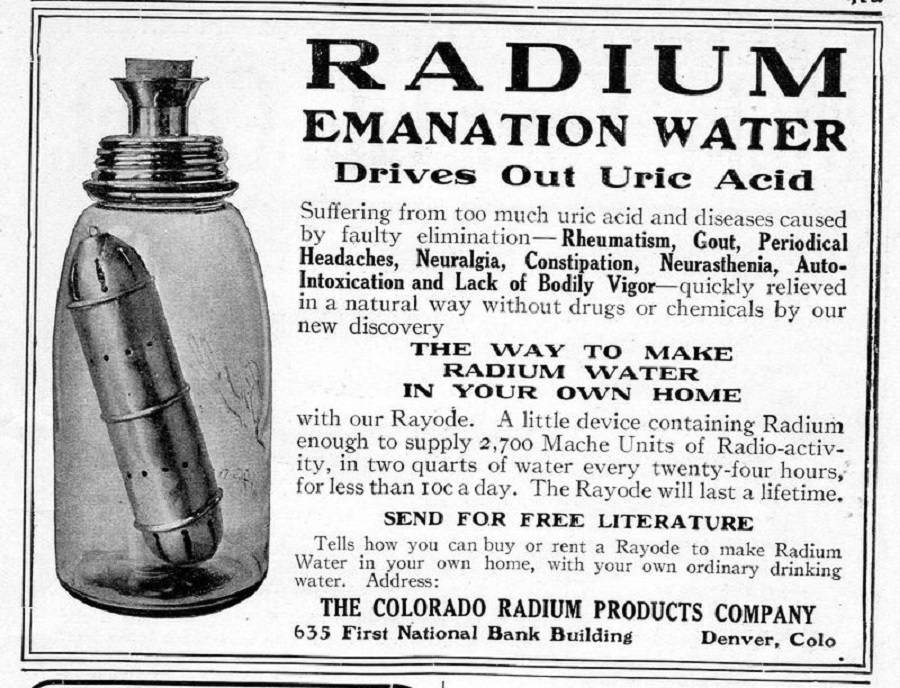
Wikimedia CommonsAn ad for radium water.
Sadly, this became all too clear when “Radium Girls” were hired to paint military instruments with glow-in-the-dark radium paint.
The Dangerous Work Of The Radium Girls
After the United States entered World War I in 1917, patriotic women flocked to the nation’s factories to do their part for the war effort. Many took jobs with the United States Radium Corporation and set to work painting objects with radium-based paint. The women were assured that radium was not dangerous — even though men who worked in the company’s lab routinely wore lead aprons while working with radium.
Indeed, the Radium Girls were given no protection of any kind. They were even encouraged to lick their brushes to get a fine point detail work. And so, day after day during the war — and for many years after — the Radium Girls painted watches and dials, licking their paint brushes without any fear.
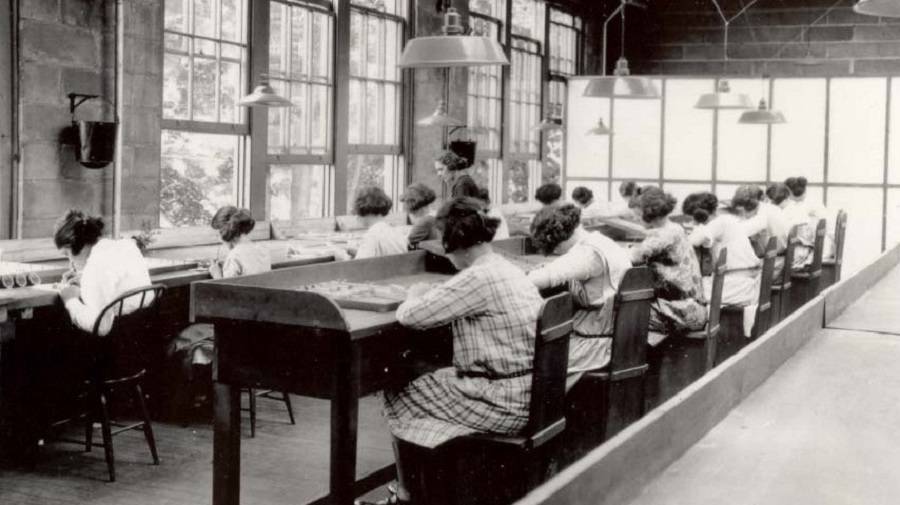
Wikimedia CommonsEmployees of the United States Radium Corporation known as “Radium Girls” paint numbers on the faces of wristwatches using radioactive paint.
Radium dust from the paint got all over their clothes, skin, and hair, but many of the workers liked its sparkle and glow. Some Radium Girls even took to wearing their finest dresses to work on Fridays so they would “glow” while dancing on the weekends. These so-called “ghost girls” even applied radium to their teeth to “give their kiss a pop.”
At first, the Radium Girls seemed to have the ideal job. It was fun, easy, and well-paid, and many of the workers recruited family and friends to join them. By the 1920s, there were roughly 300 Radium Girls in the country.
But then they started to get sick.
The Horrific Health Consequences Of Working With Radium
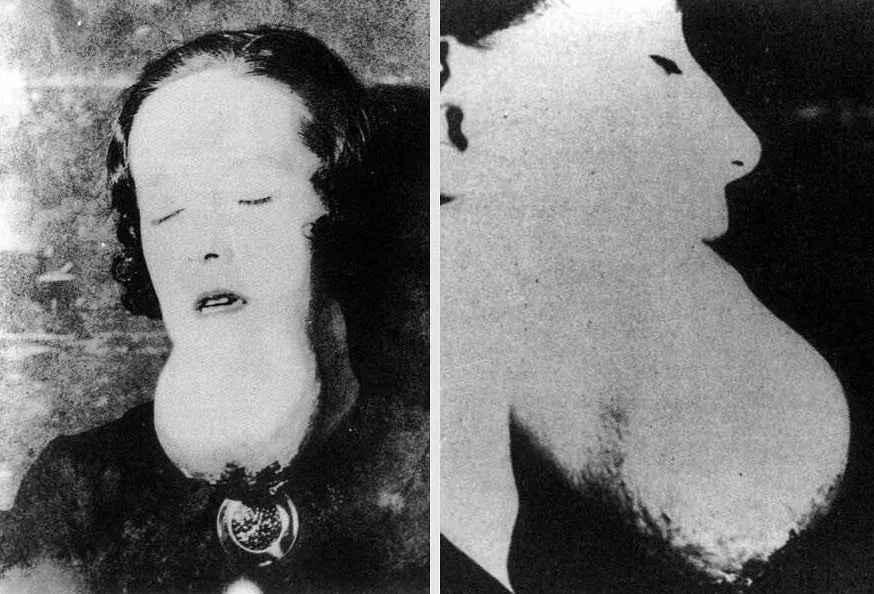
Wikimedia CommonsThe effects of working with radium.
In January of 1922, a Radium Girl named Mollie Maggia got a toothache.
She went to the dentist, who pulled a tooth. Then another. To the alarm of her dentist, Maggia’s wounds didn’t heal. Instead, they seeped blood and pus. The dentist ultimately decided Maggia needed surgery to remove a fast-growing abscess he’d found on her left jaw, but during the operation, he found that her jawbone didn’t look right — it was ashy and gray.
He gently prodded it with his finger. To his shock and horror, the whole bone crumbled under his fingertip.
Maggia’s left jawbone had more or less disintegrated. That summer, the rest of her jaw was removed. And then, just a few months before her 25th birthday, Mollie Maggia died. She had developed tumors which cut into her jugular vein and flooded her throat with blood, choking her to death. Maggia had died from repeated exposure to radium, but her cause of death was erroneously listed as syphilis, which discredited her story.
But Maggia was far from the only Radium Girl to fall sick. As the National Library of Medicine reports, they developed toothaches, mouth sores, painful gums and jaws, and achy hips and feet. They felt exhausted, lost teeth, and struggled to eat without pain. Some developed cancerous tumors and died.
And soon, the Radium Girls took action.
How The Radium Girls Fought Back — And Left Behind A Powerful Legacy
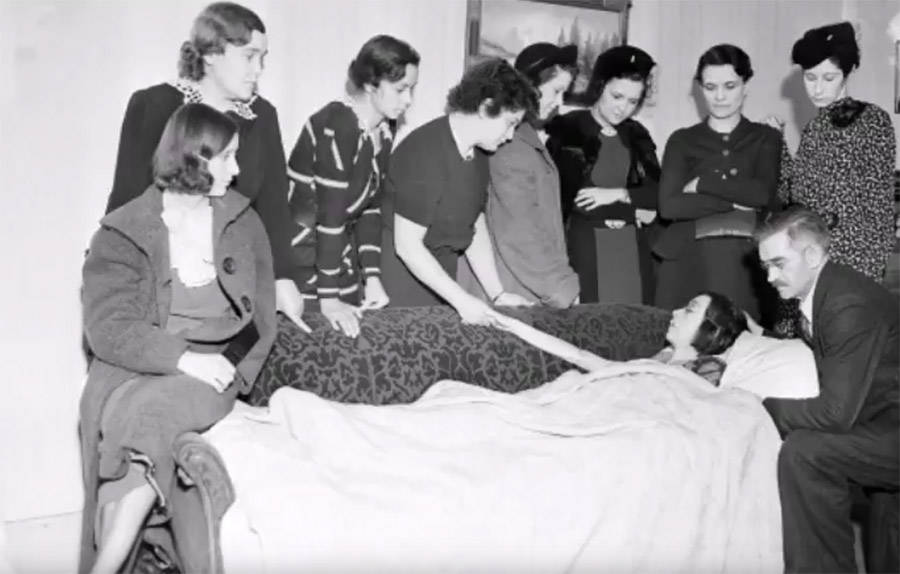
YouTubeAs they got sick and died, Radium Girls ultimately took action by suing their former employer.
By the early 1920s, the public stance on radium had begun to change. One of the original founders of the United States Radium Company, Dr. George Willis, had gotten sick himself. Though he had once assured the Radium Girls that radium was safe, Willis had developed cancer.
In 1923 he wrote, “The reputation for harmlessness enjoyed by radium may, after all, depend on the fact that, so far, not very many persons have been exposed to large amounts of radium by daily handling over long periods… There is good reason to fear that neglect of precautions may result in serious injury to the radium workers themselves.”
Around the same time, the United States Radium Corporation quietly ordered a study which found that radium was unsafe. Though the company tried to bury the study’s findings, they couldn’t keep it quiet for long.
Indeed, it was clear to the Radium Girls that something was wrong. If they weren’t sick, they knew someone who was. And so, in 1927, five surviving Radium Girls led by Grace Fryer sued their former employer. Their stories spread, and outrage on their behalf skyrocketed: The Radium Girls were young women, many of them young mothers, who were sick and dying.
Ultimately, the company agreed to settle, and the dangers of radium became more well known. But for many of the Radium Girls it was too late. Suffering from radiation poisoning, many died agonizing deaths in their 20s or 30s. They developed blood cancer, leukemia, and amenia; some had to get amputations or blood transfusions; one woman was bedridden for 50 years.
But their story changed the United States forever. The shameful experience of the Radium Girls led to better workplace protections, and influenced the creation of the U.S. Occupational Safety and Health Administration.
Though no one saved the Radium Girls, the actions they took against their employer have helped ensure a safer workplace for everyone.
After reading about the Radium Girls, discover the agonizing story of Hisashi Ouchi, the radioactive man kept alive for 83 days against his will. Or, go inside the harrowing story of the Chernobyl nuclear disaster.