

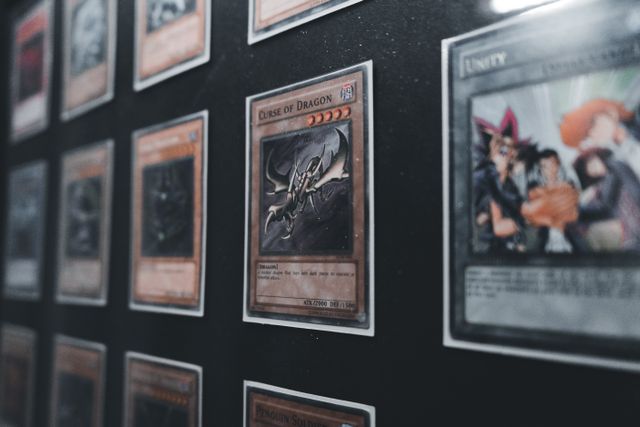
Card damage happens fast. A single crease, one bent corner, or a UV-bleached surface can drop a card’s value by more than half. Collectors who understand the material science behind protection save money and preserve history.
Most people think a sleeve is just plastic. It’s not. Sleeve material determines whether a card survives fifty years or fifty days. Polypropylene resists yellowing. PVC does not, and it can actually leach plasticizers onto card surfaces over time. That’s why serious players search for archival-grade MTG card sleeves instead of grabbing whatever bag comes free with a booster box.
Why Humidity Destroys Cards Faster Than Handling
Paper is hygroscopic. It absorbs moisture from the air, then releases it. Every cycle warps the fibers slightly. Over hundreds of cycles, cards develop waves you can feel with a fingertip. Ideal storage humidity sits between 40 and 50 percent. Above 60 percent, mold risk climbs sharply. Below 30 percent, cards turn brittle and edges chip.
Temperature swings compound the problem. A card stored in a hot car one day and an air-conditioned room the next expands and contracts. That stress shows up as micro-fractures in the coating, invisible until the card is graded under magnification.
Grading Culture Changed How People Protect Cards
Grading didn’t just create a market. It created a discipline.
- Corners get checked at 30x magnification.
- Surface scratches under raking light are automatic point deductions.
- Centering tolerances now run as tight as 55/45 on some scales.
- Edge whitening from a single mishandled sleeve swap can drop a grade a full point.
Because of this, collectors treat sleeving as a two-step process. A soft penny sleeve goes on first to prevent surface contact. A rigid outer sleeve or toploader goes over that to stop bending. Skipping either step is the most common reason submitted cards come back lower than expected.
The grading boom isn’t small anymore. More than 20 million cards were professionally graded worldwide in 2024, and that number jumped to over 26 million in 2025, a yearly increase of nearly 32 percent, according to market data from Business Research Insights. That volume alone tells you protection habits changed at scale, not just among hardcore collectors.
Why Proper Fit Matters
Sleeve dimensions matter more than many collectors realize. A sleeve that is too tight can place pressure on card edges and corners, especially when cards are stacked or stored in rigid holders. A sleeve that is too loose creates movement inside the pocket. That movement allows the card to shift against the plastic during handling and transport, increasing the chance of edge wear.
The thickness of the sleeve also affects protection. Thicker materials generally provide greater resistance to bending and punctures, but they can increase bulk inside binders and storage boxes. Collectors need to balance protection with available storage space.
Double-sleeving adds another layer of defense. The inner sleeve protects against dust and surface contamination, while the outer sleeve provides additional resistance against moisture and abrasion. For valuable cards, this layered approach reduces the number of ways environmental exposure and routine handling can cause permanent damage.
Protection works best when every layer serves a specific purpose.
Static Electricity Is an Underrated Threat
Cheap plastic sleeves build static charge. That charge attracts dust and fine particles, which then get pressed into the card surface every time it’s handled. Over months, this creates fine scratching that’s nearly invisible until light hits the card at an angle. Anti-static sleeve coatings solve this, but most budget sleeves skip the treatment entirely to cut cost.
UV Light Fades Ink Faster Than People Expect
Direct sunlight can visibly fade card ink within a single season. Even indoor fluorescent lighting causes slow fading over years. UV-resistant sleeves and display cases with UV-filtering acrylic panels block most of this damage. This matters most for display collectors who keep cards out rather than boxed away.
The Same Physics Applies Beyond the Card Table
Card protection and surface protection share a core problem: materials degrade when exposed to moisture, heat, and abrasion without a barrier. That’s the same logic behind using acrylic coasters under drinks instead of letting condensation sit directly on a wood or laminate table. A barrier material stops the transfer of moisture and reduces surface wear either way. The scale is different, but the mechanism is identical.
Storage Boxes Matter More Than People Realize
Cardboard storage boxes seem harmless. Many aren’t acid-free, and acidic cardboard slowly transfers acid to whatever it touches. Over years, this yellows card stock and weakens paper fibers. Archival boxes cost more upfront but avoid this problem entirely.
Simple Habits That Prevent Most Damage
- Always handle cards by the edges, never the face.
- Store binders upright, not flat, to prevent warping from pressure.
- Keep collections away from windows and direct heat sources.
- Rotate stored cards occasionally to prevent one edge from bearing constant pressure.
None of these habits require expensive equipment. They require consistency.
Card protection isn’t glamorous, but it’s mechanical, predictable, and controllable. Understand the material science, apply consistent habits, and a collection built today can still hold its condition decades from now.