

Antarctica is one of the most extreme and mysterious places on Earth. Covering the southernmost continent is a massive layer of ice so vast that it holds the majority of the world’s fresh water. This frozen landscape is not just a lifeless desert of ice; it plays a critical role in regulating Earth’s climate, sea levels, and even ocean currents.
The Antarctic ice sheets are among the least understood natural systems on the planet, yet they are increasingly important in discussions about climate change and the future of global sea levels. Below are some intriguing facts about Antarctic ice sheets that reveal just how remarkable this frozen world truly is.
1. The Ice Sheet Is Miles Thick in Some Places
The Antarctic ice sheet is not a thin layer of snow and frost. In many areas, it is several kilometers thick. Their average thickness is about 2 kilometers, but in some regions it exceeds 4 kilometers.
This means that if Antarctica’s ice were removed, the continent would reveal mountains, valleys, and landscapes completely hidden for millions of years.
Scientists use radar technology to map what lies beneath this thick ice, uncovering ancient terrain and buried lakes.
2. The Ice Sheet Is Constantly Moving

Antarctic ice is not static. It flows slowly under its own weight, behaving almost like a very thick liquid over long periods of time.
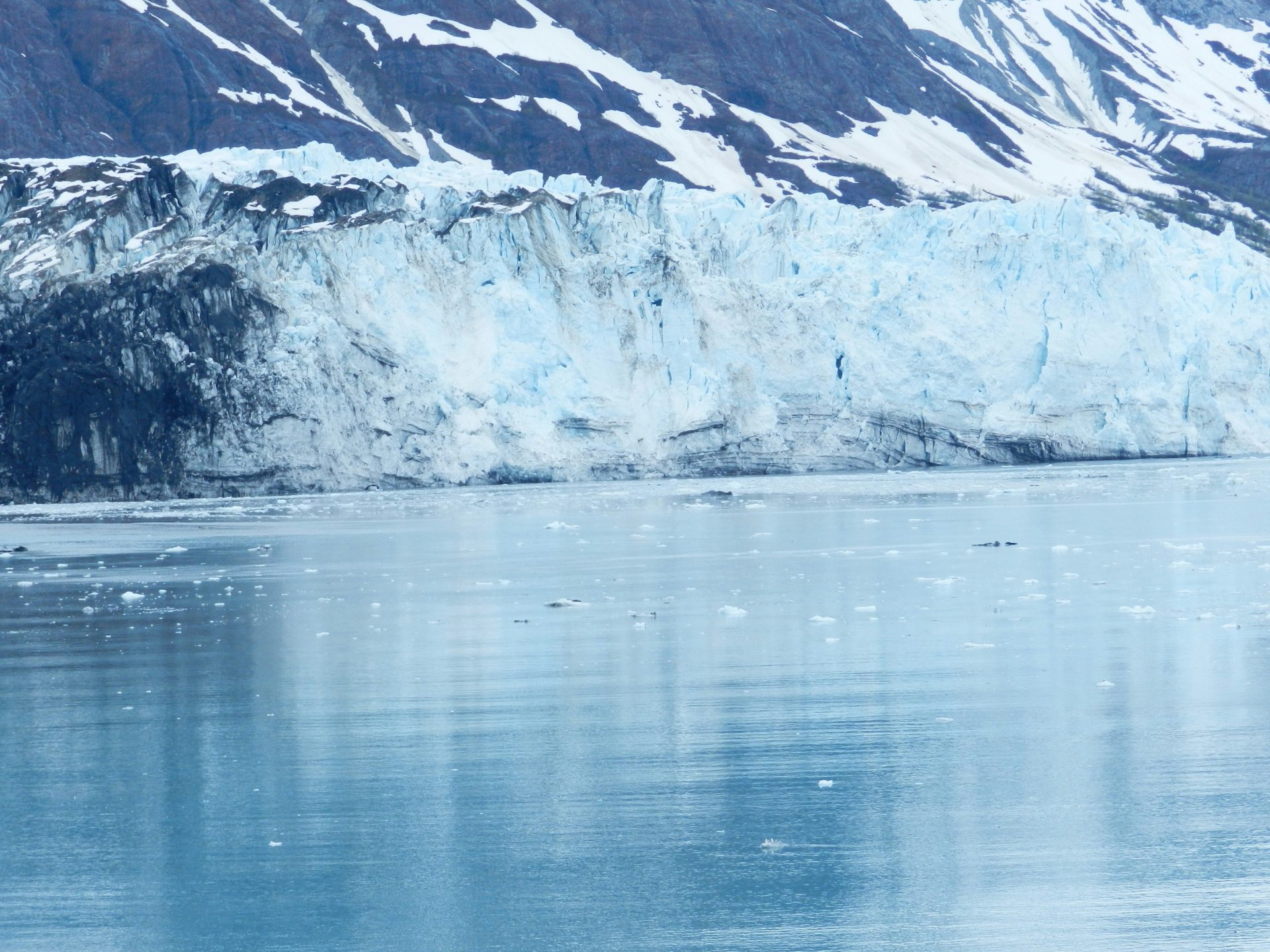
Glaciers within the ice sheet gradually move from the interior of the continent toward the coast, where they eventually break off into icebergs.
This movement plays a key role in shaping Antarctica’s coastline and contributing to ocean ice formation.
3. There Are Hidden Lakes Beneath the Ice
Deep beneath the Antarctic ice sheet lies a hidden world of liquid water lakes. One of the most famous is Lake Vostok, which is buried beneath about 4 kilometers of ice.
These subglacial lakes have been isolated from the surface for millions of years, leading scientists to wonder if unique forms of microbial life might exist within them.
The discovery of these lakes has completely changed our understanding of Antarctica’s geology and biology.
4. Antarctica Was Not Always Frozen
Millions of years ago, Antarctica was much warmer and supported forests, rivers, and diverse wildlife. Fossil evidence shows that dinosaurs once lived there.
Over time, shifting continents and changes in Earth’s climate caused the region to cool dramatically, eventually forming the massive ice sheets we see today.
This transformation highlights how dramatically Earth’s climate can change over geological time scales.
5. The Ice Sheet Reflects Most of the Sun’s Energy
Antarctic ice has a high albedo, meaning it reflects most of the sunlight that hits it. This helps keep the planet cooler by sending solar energy back into space.
Without this reflective surface, Earth would absorb significantly more heat, leading to higher global temperatures.
This makes the Antarctic ice sheet an important part of the planet’s climate balance system.
6. Ice Cores Reveal Earth’s Ancient Climate History
Scientists drill deep into Antarctic ice sheets to extract ice cores, which contain layers of frozen snow that accumulated over hundreds of thousands of years.
These layers trap tiny bubbles of ancient air, allowing researchers to study past atmospheric conditions.
Ice cores have provided valuable evidence about historical carbon dioxide levels and long-term climate cycles.
7. Some Ice Is Over One Million Years Old
The deepest layers of Antarctic ice are incredibly ancient. In some areas, ice has been dated to more than one million years old.
This makes Antarctica one of the best natural archives of Earth’s climate history. Each layer preserves information about temperature, atmospheric composition, and volcanic activity from the distant past.
Scientists continue to search for even older ice to better understand Earth’s climate evolution.
8. The Ice Sheet Is Affecting Earth’s Gravity Field
The massive weight of Antarctic ice actually affects Earth’s gravitational field. The ice sheet is so heavy that it slightly depresses the land beneath it.
This process is known as isostatic depression. When ice melts or shifts, the land slowly rebounds over thousands of years.
This movement is still occurring today, even in response to past ice age changes.
9. Ice Shelves Act as Natural Barriers
Ice shelves are floating extensions of the Antarctic ice sheet that extend over the ocean. They act as natural barriers, slowing the flow of glaciers into the sea.
When these ice shelves collapse, glaciers can accelerate, contributing more quickly to sea level rise.
Recent decades have seen several major ice shelf collapses, raising concerns among climate scientists.
10. Antarctica Has Its Own Subglacial Mountain Ranges
Beneath the ice sheet lies an entire hidden landscape, including mountain ranges such as the Gamburtsev Mountains. These peaks are completely buried under ice and snow.
Scientists compare them to the Alps in size, even though they have never been directly observed without ice cover.
This hidden geography influences how ice flows across the continent.
11. The Ice Sheet Is a Window Into Earth’s Future
Studying Antarctic ice helps scientists predict future climate trends. By analyzing past changes recorded in ice layers, researchers can model how the planet may respond to rising temperatures.
This makes Antarctica not just a frozen wilderness, but a critical scientific laboratory for understanding Earth’s future.