
Choosing the right surface for a home involves balancing aesthetics and long-term functionality. Pets introduce a unique set of physical demands that standard building materials cannot always accommodate. Standard residential options focus mostly on human comfort rather than animal stability.
Four-legged companions interact with the ground differently than humans do. Examining the physics of animal movement helps identify options that support their skeletal health. Protecting paws and joints requires an understanding of floor physics.
Understanding Canine Biomechanics and Traction
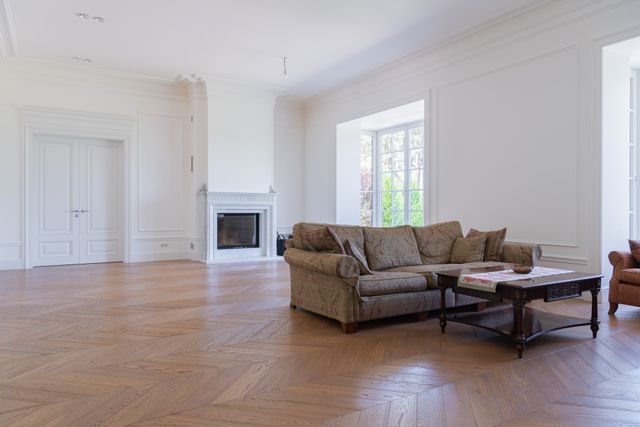
Animals rely on claw grip and pad friction to stabilize themselves during active movement. Smooth floors prevent paws from securing a firm hold during sudden turns or quick stops. Hardwood or slick tile forces muscles to work harder just to maintain balance. Constant overcompensation strains small stabilizing tissues.
Slipping causes micro-trauma to ligaments over extended periods of activity. Installing specialized textiles like pet-friendly stair runners mitigates the risk of sudden slips on steep inclines. Paws find immediate purchase on textured weaves instead of sliding across bare wood steps. Added security gives senior animals more confidence during daily ascents.
Repeated strain from unstable footing alters how a dog distributes its total body weight. Unnatural posture leads to compensatory muscle soreness in the shoulders and lower back. Traction protection prevents these alignment shifts from turning into permanent structural issues. Stable flooring allows animals to maintain their natural stance.
How Joint Angulation Affects Movement
Quadruped movement follows precise geometric patterns across different leg joints. A peer-reviewed study analyzing canine locomotion patterns tracked the distinct loops created by hip, stifle, and tarsus coordination. The tracking paths change completely when an animal encounters slick surfaces. Sudden gait adaptations put undue stress on skeletal structures.
Altered joint paths place abnormal pressure on delicate cartilage layers. When a hind leg slips outward, the natural figure-of-eight tracking pattern undergoes sudden distortion. Consistent disruptions to normal kinematics accelerate joint wear and tear. Protecting normal joint movement requires predictable floor resistance.
Maintaining standard gait cycles requires predictable friction from the floor underneath. Animals adapt to slippery environments by shortening their strides to lower their center of gravity. Shortened strides limit full joint extension and reduce overall athletic mobility. Throughout many years, limited extension restricts flexibility.
The Impact of Hard Surfaces on Animal Joints
Hard materials offer zero shock absorption during high-impact activities. Jumping off a couch onto stone or laminate sends a jarring shockwave straight up an animal’s limbs. Structural vibrations hit the wrists and elbows with full force each time. Cushioning underfoot dampens these repetitive impact waves.
Rigid materials cause subtle changes to daily physical wellness. Certain behavioral indicators point to chronic discomfort from poor footing:
- Reluctance to climb steps or jump onto furniture
- Frequent shifting of weight while standing still on tile
- Slower rising motions after long periods of resting
Such signs manifest when animals feel unsafe on slippery floors.
Older animals suffer the most when floors offer no cushioning. Severe arthritis makes navigating smooth, unyielding zones a painful daily challenge. Soft underlays reduce the impact force felt during ordinary steps around the house. Adding padding helps preserve remaining joint health.
Evaluating Materials for Friction and Shock Absorption
Floor selection requires a close look at the coefficient of friction. Materials with high slip resistance protect animals from hyperextension injuries during play. Vinyl and cork provide better natural grip than polished marble or glazed ceramic. Homeowners must evaluate surface texture before installation.
Cork contains millions of tiny air pockets that compress under weight. Air pocket compression cushions paws – here we see a natural shield – acting as a built-in shock absorber. Reduced impact protects growing bones in younger animals. Natural elasticity makes cork an excellent ergonomic choice.
Luxury vinyl planks often feature embossed textures that mimic real wood grain. Grooves give claws something to grasp during rapid acceleration or sudden greetings. Homeowners gain long-term durability without sacrificing the safety of their companions. Modern manufacturing makes textured vinyl highly accessible.

Selecting Upgrades for Multi-Level Homes
Staircases represent the highest risk zone for household pet accidents. Gravity increases the downward force during descent, making traction absolutely critical for safety. Bare steps turn simple trips into dangerous tumbles down the flight. Hard surfaces accelerate slips rather than stopping them.
Adding secure coverings to steps stabilizes the entire musculoskeletal system. Animals move with greater confidence when their feet do not slide forward on every step. Secure coverings lower anxiety levels in aging pets who fear falling. Confident movement reduces hesitation and clumsy missteps.
Low-pile carpets perform exceptionally well on high-traffic staircases. Loops must be tight to prevent claws from snagging during ascent. Snagged nails cause acute pain and can lead to torn tracking tendons. Choosing cut-pile or dense woven styles avoids this hazard completely.
Long-Term Wear and Skeletal Health
Chronic instability alters muscle development over months and years. Dogs constantly flex their core and leg muscles to stay upright on smooth laminate. Constant flexing causes muscular fatigue and leaves joints vulnerable to injury. Relaxed muscles require a surface that does not slide.
Defensive postures alter physical development in several distinct ways:
- Spinal misalignment from unnatural walking angles
- Asymmetrical muscle growth in the dominant limbs, favoring one side
- Overuse injuries in secondary stabilizing ligaments around joints
Correcting these skeletal shifts requires immediate environmental changes.
Protecting skeletal health early prevents expensive medical interventions later in life. Young animals need stable ground to develop healthy bone density and proper joint socket depth. Proper flooring choices support structural development from early puppyhood onward. Investing in safety early pays dividends in longevity.
Home design choices directly impact the physical longevity of domestic animals. Selecting surfaces based on traction and shock absorption prevents preventable joint injuries. Structural awareness transforms ordinary rooms into safe havens.
Prioritizing animal biomechanics creates a secure environment where companions move freely. Secure footing supports structural health throughout every stage of life. Protecting pets starts from the ground up.