

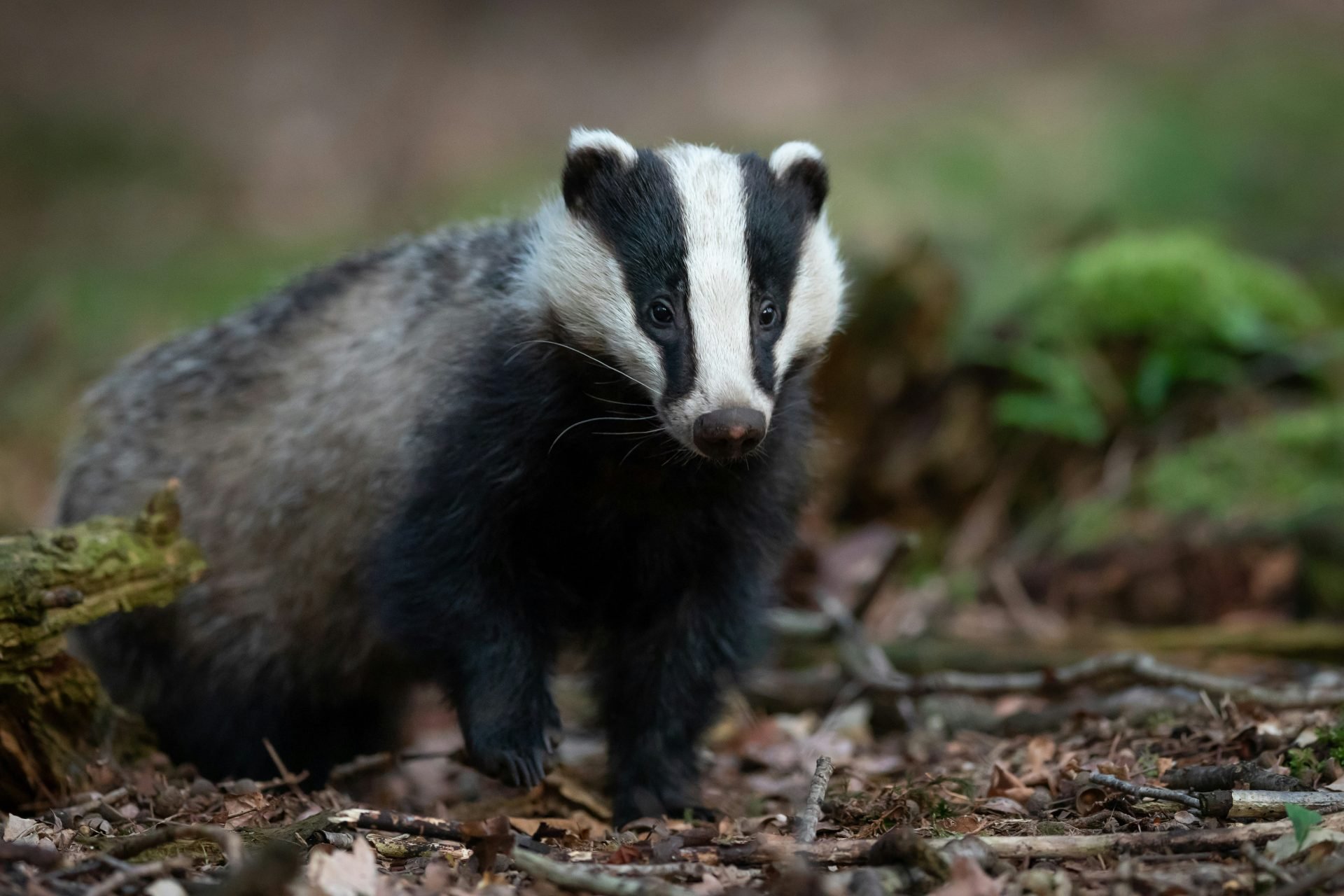
Honey badgers are among the most fearless and misunderstood animals in the wild. Native to Africa, Southwest Asia, and the Indian subcontinent, these small but powerful creatures have earned a reputation as unstoppable. Despite their relatively small size, honey badgers are known to confront animals that are many times their size. From surviving venomous snake bites to breaking out of cages, here are some of the most intriguing facts about honey badgers.
1. The Honey Badger Is Also Known as the Ratel
The honey badger’s scientific name is Mellivora capensis, but it is commonly called the ratel. The name “ratel” comes from Afrikaans and means “little honey eater.” While many people think honey badgers are closely related to badgers found in Europe or North America, they belong to their own unique genus. They are part of the weasel family, Mustelidae, which also includes otters and wolverines.
2. Honey Badgers Fear Almost Nothing
Honey badgers have earned a reputation as one of the most fearless animals in the world. They have been known to confront lions, leopards, and hyenas when threatened. In some cases, even large predators decide it’s not worth the trouble and back off. A famous wildlife documentary series, Planet Earth, showcased a honey badger bravely fighting off much larger animals, cementing its legendary status.
3. They Have Extremely Thick Skin

One reason honey badgers are so fearless is their incredibly thick skin. Their loose, rubbery skin is about 6 millimeters thick in some areas, which helps protect them from bites and stings. Even when a predator grabs them, the honey badger can twist around inside its own skin and bite back. This unique defense mechanism makes them extremely difficult to subdue.
4. Honey Badgers Can Survive Snake Venom
Perhaps one of the most shocking facts about honey badgers is their ability to survive venomous snake bites. They frequently prey on highly venomous snakes, such as the King cobra. In some recorded cases, a honey badger has been bitten, collapsed for a few hours as if dead, and later woken up to continue eating the snake. While they are not completely immune to venom, they have a remarkable resistance that gives them a huge survival advantage.
5. They Are Skilled Escape Artists
Honey badgers are incredibly intelligent and resourceful. In captivity, they have been observed stacking logs, rocks, and even using tools to escape enclosures. One honey badger at the Kruger National Park reportedly used sticks to climb out of its pen repeatedly. Zookeepers often struggle to contain them because they can dig, climb, and manipulate objects with surprising skill.
6. They Love Honey, but It’s Not Their Main Food
Despite its name, honey is only a small part of a honey badger’s diet. They are omnivores and will eat almost anything they can overpower. Their diet includes insects, small mammals, birds, reptiles, fruits, and roots. They are particularly fond of raiding beehives for honey and bee larvae. Thanks to their thick skin, they can withstand numerous bee stings while breaking into hives.
7. They Appear in the Guinness World Records
The honey badger has been officially recognized by the Guinness World Records as the “Most Fearless Animal in the World.” This title was awarded due to their aggressive defense strategies and willingness to confront larger predators. The recognition further boosted their global fame and reputation as nature’s toughest small animal.
8. Honey Badgers Are Mostly Solitary

Unlike lions or wolves, honey badgers prefer to live alone. They typically roam vast territories in search of food. Males usually have larger territories than females and may overlap with several female territories. They communicate using scent markings, which help them avoid unnecessary confrontations with other honey badgers.
9. They Can Dig Extremely Fast
Honey badgers are exceptional diggers. With their long, sharp claws, they can dig burrows in a matter of minutes. These burrows serve as shelters from predators and extreme weather. Sometimes, they even take over abandoned burrows made by other animals. Their digging skills also help them catch prey hiding underground.
10. They Partner with Honeyguide Birds
One of the most fascinating relationships in the wild involves honey badgers and honeyguide birds. The bird leads the honey badger to a beehive, and once the badger breaks it open, both animals feast. The honeyguide bird eats leftover wax and larvae, while the honey badger enjoys the honey. This rare example of mutual cooperation in the wild has fascinated researchers for decades.
11. They Have Been Viral Internet Stars
Honey badgers gained massive popularity after a viral YouTube video titled “The Crazy Nastyass Honey Badger.” The video humorously narrated the animal’s fearless antics and introduced millions of people worldwide to its bold personality. While the video was comedic, it accurately highlighted the honey badger’s relentless and daring nature.
12. They Play a Role in African Folklore
In various African cultures, honey badgers are symbols of courage and persistence. Their fearless attitude has made them legendary figures in storytelling traditions. In regions near the Kalahari Desert, stories of honey badgers outsmarting larger predators are commonly shared. These tales emphasize resilience, bravery, and intelligence.
13. They Can Travel Long Distances in One Night
Honey badgers are highly active and can travel several kilometers in a single night while foraging. Their stamina allows them to patrol large territories in search of food. This constant movement reduces competition and increases their chances of survival in harsh environments.
14. Honey Badgers Have Few Natural Enemies
Due to their aggression, thick skin, and sharp teeth, honey badgers have very few natural predators. While lions and leopards may occasionally kill them, most predators avoid confrontation unless absolutely necessary. Their defensive strategy of relentless fighting makes them more trouble than they are worth.